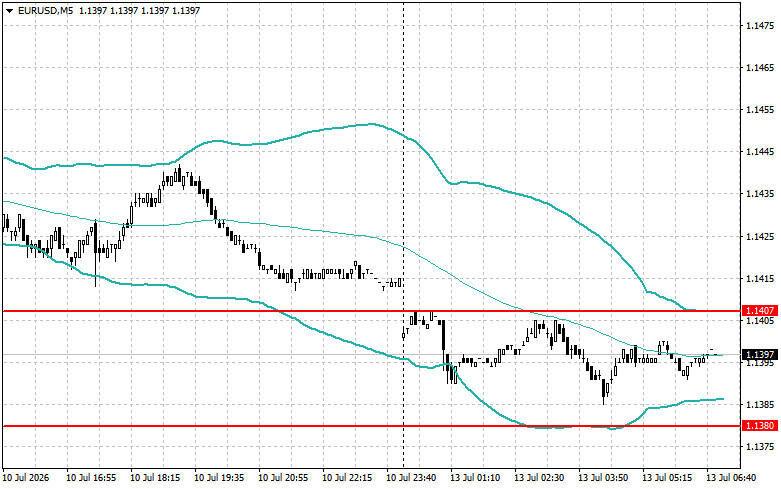
The U.S. dollar continues to reclaim positions against the euro, pound, and other risk assets, with objective reasons for this movement.
Last Sunday, the U.S. launched new missile strikes against Iran, continuing a series of mutual attacks and counterattacks between Washington and Tehran. The U.S. Central Command reported that the strikes were aimed at undermining Iran's capability to attack vessels in the Strait of Hormuz, targeting Iranian air defense systems, coastal radars, and missile and drone complexes. This is already the fourth strike in about a week, while the parties make contradictory statements regarding whether the strait is open for navigation. It is worth mentioning that a significant portion of global oil supplies passes through this route, so any threat to its operation instantly increases the risk premium and pushes capital into safe-haven assets.
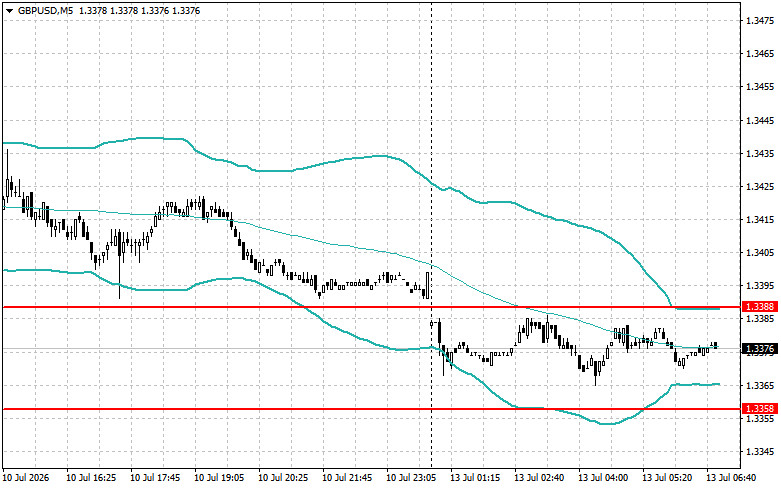
In this environment, the dollar has gained support as a classic safe haven, weakening the positions of both the euro and the pound. The escalation of the conflict undermines risk appetite, and the threat of a spike in oil prices negatively affects European economies that rely on energy imports. As a result, both EUR/USD and GBP/USD are under pressure as investors move to the most reliable instruments.
There is no significant data scheduled for the Eurozone in the first half of the day, so do not be surprised if the pressure on the euro continues. The lack of significant macroeconomic data means traders will have to rely on secondary indicators and overall market sentiment. This, in turn, may lead to increased volatility, as smaller trading volumes will have a stronger influence on price movements.
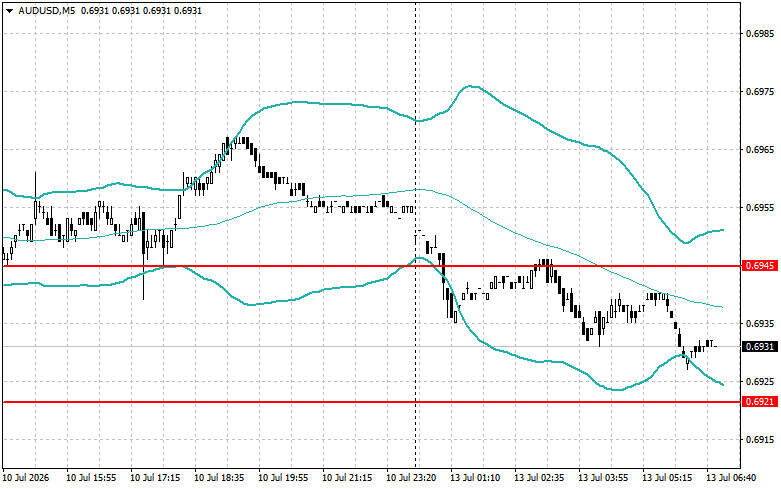
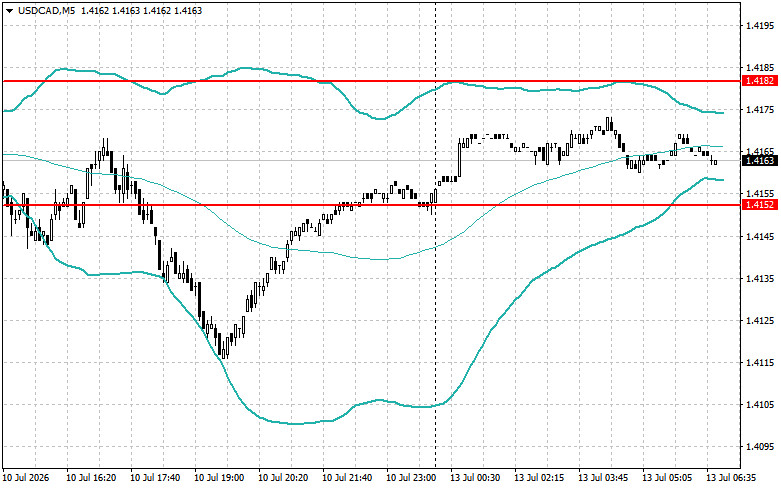
Particular attention should be paid to news developments. Statements from representatives of the European Central Bank, as well as geopolitical events, could significantly impact the euro exchange rate. Technical analysis will also play an important role. Support and resistance levels that have formed in recent days may serve as guideposts for short-term trades. A breakout of these levels could trigger acceleration of current trends.
As for the pound, a speech by Bank of England MPC member Huw Pill is expected only in the afternoon, which is unlikely to provide significant support for growth. Traders will likely prefer to take a wait-and-see approach, waiting for clearer signals regarding future monetary policy. The absence of new incentives or unexpectedly dovish statements could provoke sharp price movements, but for now, the market is quite negative, reacting to the situation in the Middle East.
Pill's speech is perhaps one of the few events that could provide clarity regarding the near-term outlook.
If the data align with economists' expectations, it is better to act based on the Mean Reversion strategy. If the data are much higher or lower than economists' expectations, it is advisable to use the Momentum strategy.
QUICK LINKS
ForexMart is authorized and regulated in various jurisdictions.
(Reg No.23071, IBC 2015) with a registered office at First Floor, SVG Teachers Co-operative Credit Union Limited Uptown Building, Corner of James and Middle Street, Kingstown, Saint Vincent and the Grenadines
Restricted Regions: the United States of America, North Korea, Sudan, Syria and some other regions.








 Contact Us