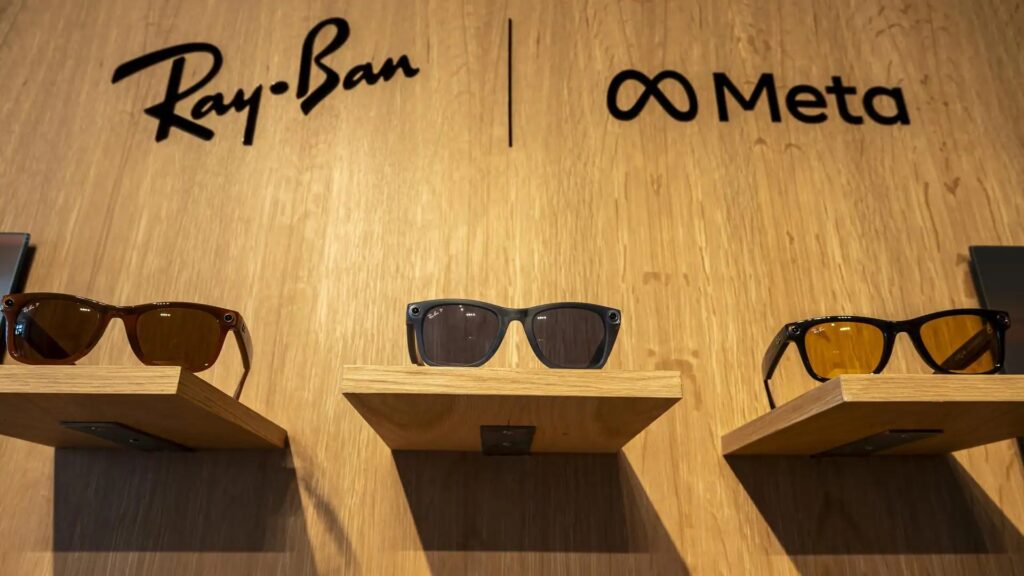
Technologický gigant Meta, mateřská společnost Facebooku, Instagramu a WhatsAppu, učinil významný strategický krok směrem k rozšíření svého vlivu v oblasti chytrých brýlí a umělé inteligence. Podle důvěryhodných zdrojů získala Meta téměř tříprocentní podíl ve společnosti EssilorLuxottica, která je světovou jedničkou ve výrobě brýlí a stojí mimo jiné za ikonickou značkou Ray-Ban. Investice v odhadované hodnotě 3,5 miliardy dolarů signalizuje vážný záměr společnosti Meta nejen upevnit svou pozici v oblasti spotřebního hardwaru, ale také hluboce integrovat AI do budoucích produktů.
Společnosti Meta a EssilorLuxottica spolupracují už několik let. Výsledkem jejich partnerství jsou například brýle Ray-Ban Stories, které byly uvedeny na trh v roce 2021. Tyto brýle kombinují stylový design s moderní technologií – obsahují vestavěné kamery, mikrofony a hlasového asistenta s AI, který umí například přečíst popisky obrázků nebo poskytnout aktuální ceny akcií.
Nově uzavřená investice navazuje na tuto spolupráci a podle interních informací Meta zvažuje navýšení svého podílu až na 5 %, pokud se stávající projekt osvědčí. Akcie společnosti EssilorLuxottica na tuto zprávu reagovaly prudkým růstem – v Paříži si připsaly 5,4 %, což byl největší denní nárůst za poslední tři měsíce. Investoři a analytici vnímají krok společnosti Meta jako důkaz důvěry v dlouhodobý potenciál tohoto segmentu.
Investice Meta přichází v době, kdy se technologické firmy stále více zaměřují na nositelná zařízení jako na další vývojovou fázi spotřební elektroniky. Generální ředitel Mark Zuckerberg opakovaně zdůrazňuje, že budoucnost Meta spočívá v kombinaci umělé inteligence a vlastního hardwaru. Chytré brýle, které zobrazují informace a reagují na hlasové příkazy, jsou podle něj klíčem k této budoucnosti.
Zuckerberg také připomněl, že Meta dosud dodávala své služby skrze chytré telefony jiných výrobců, především Applu a Samsungu. Investice do hardwaru, jako jsou chytré brýle, umožňuje společnosti získat větší kontrolu nad způsobem, jakým uživatelé přistupují k jejím službám. Zároveň se tak Meta více osvobozuje od závislosti na konkurenčních platformách a může si sama určovat podobu uživatelského rozhraní.
Díky spojení s EssilorLuxottica získává Meta přístup k výrobnímu know-how a rozsáhlým distribučním kanálům, které jsou nezbytné pro to, aby se chytré brýle staly mainstreamovým produktem. Společnost EssilorLuxottica má dlouholeté zkušenosti s designem, ergonomií i výrobními procesy, které jsou pro spotřební elektroniku zásadní.
Podle výzkumu společnosti GrandView Research by se trh s chytrými brýlemi měl do roku 2030 zvětšit ze současných 1,93 miliardy dolarů na více než 8 miliard. Zájem o nositelná zařízení roste, a to nejen ze strany spotřebitelů, ale i vývojářů a technologických firem. Apple údajně reviduje své plány ohledně rozšířené reality a také směřuje ke konceptu chytrých brýlí bez plného AR zážitku, protože tato technologie zatím není připravena pro masové nasazení.
Meta však už teď nabízí brýle, které – i bez rozšířené reality – přinášejí skutečnou přidanou hodnotu díky integraci umělé inteligence. Uživatelé tak mohou získávat informace přímo z pohledu, hands-free ovládat digitální asistenty a být neustále propojeni se světem, aniž by vytahovali telefon z kapsy.
Minulý měsíc společnost Meta uvedla na trh i další model chytrých brýlí, tentokrát pod značkou Oakley, což opět podtrhuje její odhodlání udělat z těchto produktů běžnou součást každodenního života. Pokud se jí podaří skloubit atraktivní design, dostupnou cenu a užitečné AI funkce, může v příštích letech výrazně změnit způsob, jakým lidé komunikují s technologiemi.
Meta Platforms (META)
Dohoda mezi Meta a EssilorLuxottica ukazuje, že chytré brýle přestávají být futuristickým snem a stávají se reálnou kategorií produktů, o které usilují nejen technologičtí nadšenci, ale i běžní spotřebitelé. Pro Meta to znamená možnost vytvořit si vlastní distribuční kanál a uživatelskou platformu mimo tradiční ekosystémy chytrých telefonů. Pro EssilorLuxottica jde o příležitost dostat se do středu technologického dění a být součástí potenciálně revoluční změny ve způsobu, jakým vnímáme svět skrze digitální technologie.
V době, kdy se umělá inteligence stává všudypřítomnou, může kombinace tradiční optiky a nejmodernější technologie vytvořit zcela novou generaci zařízení – praktických, stylových a skutečně chytrých.
GBP/USD continues to trend lower overall, although the current decline may already be approaching its end. Why do I believe this? First, in my view, the U.S. dollar's recent appreciation has not been fully justified by the fundamental backdrop.
To begin with, the geopolitical conflict in the Middle East has ended, yet it was the primary driver of the dollar's strength throughout 2026. It is therefore somewhat contradictory to see the dollar rise first because of the war and then continue rising after the conflict has effectively ended.
Second, although the FOMC meeting and the Federal Reserve's hawkish stance could certainly have supported the dollar, the rally has become unusually prolonged in recent weeks.
Third, the FOMC has not yet begun its tightening cycle, while the Bank of England could eventually follow the Fed's path.
Fourth, central banks have resumed reducing their U.S. dollar reserves, lowering global demand for the dollar.
Finally, an increasing number of analysts warn that the U.S. stock market may be in bubble territory, with the risk of a sharp correction at any time.
Overall, I believe the bears have already extracted the maximum benefit from the circumstances that developed in 2026.
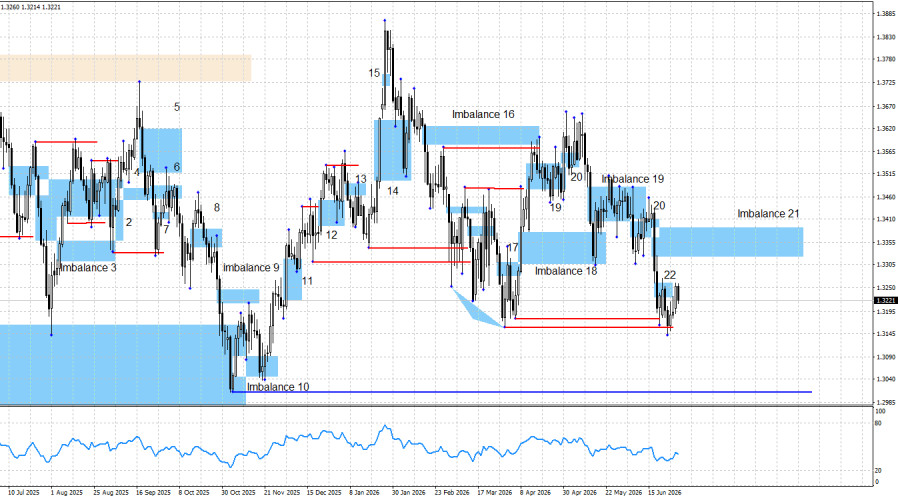
From a technical perspective, however, the chart now allows for at least a recovery toward 1.3322. The market reacted to Bearish Imbalance 22, but the response was relatively weak. Price first swept liquidity below the April 6 low and then below the March 31 low. As a result, we have both a weak reaction to the bearish imbalance and two completed bullish liquidity sweeps. At a minimum, this suggests that a corrective rebound should follow.
Considering that the U.S. dollar still lacks strong fundamental support for a sustained long-term rally and has already posted impressive gains during 2026, I believe the bears may struggle to extend the current decline. Nevertheless, technical analysis should always remain the primary guide. Unless bullish patterns and confirmation signals appear, opening long positions would be premature. Otherwise, traders should wait for the market's reaction to Imbalance 21.
At present, the market remains cautious regarding the agreement between Iran and the United States. However, it can at least be said that the active phase of the conflict has officially ended, at least for now. Although the Federal Reserve triggered a strong rally in the U.S. dollar, it remains unclear what could provide sufficient momentum for bears to continue pressing their advantage. In my view, the broader trend remains bullish despite this year's significant decline in GBP/USD, which has not always been fully supported by fundamentals.
The current technical picture is straightforward. Last week, price reacted to Imbalance 22, but the response was weak, increasing the probability that the current bearish impulse is nearing completion. I would also highlight the liquidity sweeps below the two most recent lows (marked by the red lines), which warn of a possible bullish reversal.
There were no significant economic releases on Tuesday, and traders have shifted their attention to the upcoming U.S. labor market reports, which are traditionally published at the beginning of each month. If this week's Nonfarm Payrolls, unemployment rate, ADP Employment Change, JOLTS Job Openings, and even the ISM Manufacturing PMI once again produce strong results, the bears could renew their offensive. Consequently, market sentiment this week will largely depend on incoming economic data.
Overall, I continue to believe that the long-term fundamental backdrop favors a weaker U.S. dollar. Neither the conflict between Iran and the United States nor the possibility of additional Federal Reserve rate hikes in 2026 has materially changed that view. Geopolitical tensions temporarily reminded investors of the dollar's safe-haven status, but the conflict has either ended or is moving toward a resolution.
The Federal Reserve may raise interest rates again in 2026, which is supportive for the dollar. However, tighter monetary policy also increases the risk of slowing U.S. economic growth. Moreover, Kevin Warsh was appointed as FOMC Chair by Donald Trump with broader objectives than simply maintaining restrictive monetary policy. In my opinion, any additional Fed tightening is unlikely to develop into a prolonged tightening cycle. Therefore, I continue to view any further appreciation of the U.S. dollar as temporary rather than structural.
Economic Calendar (U.S. and United Kingdom)
The economic calendar for July 1 contains three events, all of which can be considered important. As a result, macroeconomic developments are likely to influence market sentiment during the second half of Wednesday's trading session.
GBP/USD Outlook and Trading Recommendations
From a long-term perspective, the outlook for the British pound remains bullish. The reaction to Bearish Imbalance 22 produced only limited selling pressure. Consequently, although a fresh sell signal emerged this week, GBP/USD has been trading largely sideways for nearly a year on the weekly chart, meaning that the current decline can primarily be explained by technical factors. Within a trading range, price movements can develop in either direction.
The pound could still decline toward 1.3007, the level that would invalidate the broader bullish trend, but such a move would require new bearish patterns and confirmation signals. At the same time, the two recent liquidity sweeps favor the bullish scenario. If a bullish Smart Money pattern forms, buyers will have a much stronger technical foundation for a recovery. At present, no new bearish confirmation signals have emerged.
QUICK LINKS
ForexMart is authorized and regulated in various jurisdictions.
(Reg No.23071, IBC 2015) with a registered office at First Floor, SVG Teachers Co-operative Credit Union Limited Uptown Building, Corner of James and Middle Street, Kingstown, Saint Vincent and the Grenadines
Restricted Regions: the United States of America, North Korea, Sudan, Syria and some other regions.








 Contact Us