(Reuters) – Akcie Renaultu (EPA:RENA) ve středu propadly až o 17 % poté, co francouzský výrobce automobilů snížil svou prognózu pro rok 2025 kvůli nižším než očekávaným prodejům v červnu a náročnému evropskému trhu.
Společnost v úterý večer oznámila, že nyní usiluje o dosažení celoroční provozní marže ve výši 6,5 %, což je méně než předchozí cíl minimálně 7 %.
Varovala také před volným cash flow, které v prvním pololetí dosáhlo pouhých 47 milionů eur (54,49 milionů dolarů) a bylo ovlivněno zápornou potřebou pracovního kapitálu ve výši přibližně 900 milionů eur v důsledku zpožděných faktur a poklesu evropského trhu s osobními automobily a dodávkami.
Akcie klesly o 15,5 % na 34,80 eur v 7:53 GMT a směřovaly k nejhoršímu dni od března 2020, poté co dříve klesly až o 17 %.
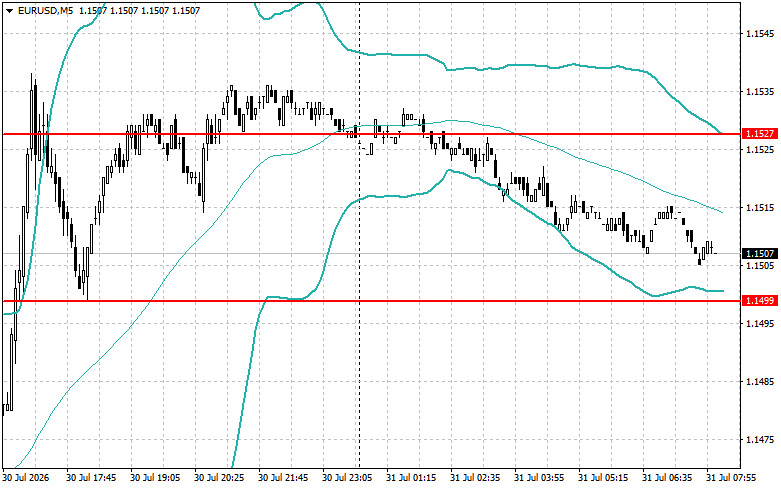
The dollar continued its active sell-off against risk assets, particularly suffering against the yen, where the central bank carried out significant currency intervention.
Yesterday's reports from the US indicated a slowdown in economic growth in the second quarter. The gross domestic product, adjusted for inflation, increased by only 1.5% year-on-year for the three months ending in June, while the core personal consumption expenditures index rose by just 0.1% in June compared to 0.3% the previous month. Although GDP reflects the economy's growth rate and is one of the main indicators of its health, the slowdown signaled to the market that the previous momentum was weakening. The core PCE index, which the Federal Reserve considers its preferred measure of inflation, also played a significant role. Its deceleration heightened expectations for a softer monetary policy from the regulator, as cooling prices reduce the need to keep rates high, which undermined the attractiveness of the dollar. As a result, the US currency lost ground against most competitors.
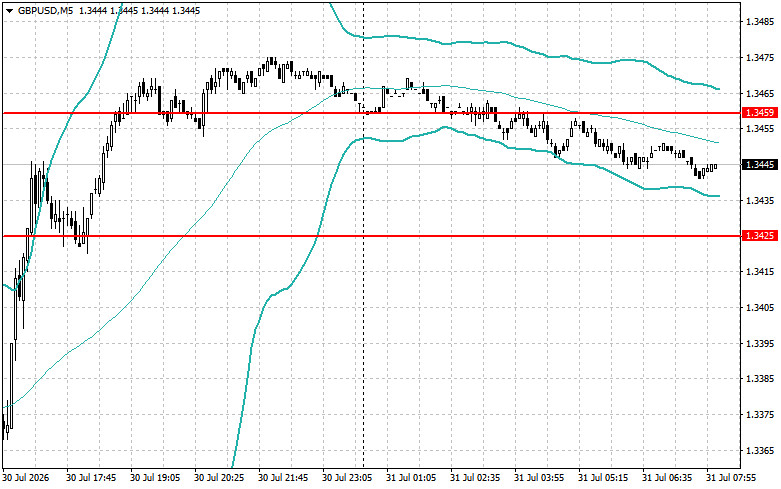
For the euro and the pound, this backdrop proved to be a tailwind. The weakening dollar narrowed its advantage, allowing both European currencies to strengthen, while EUR/USD and GBP/USD continued their ascent. The scale of their rise depended on how deeply the market revised its expectations for the Fed's rate after the data release.
This morning's session promises to be rich in financial news that could significantly influence the dynamics of the European currency. Traders' attention will be focused on the release of Germany's unemployment data and the Eurozone's consumer price index. These macroeconomic indicators are traditionally barometers of the state of the largest economy in Europe and the entire currency bloc, so their interpretation will be particularly important.
The unemployment rate in Germany, a key indicator of economic activity, is expected to remain stable or even decline slightly. Positive signals in this segment could demonstrate the resilience of the German labor market despite current global challenges. This, in turn, would strengthen investors' confidence in the European economy and increase demand for the euro.
No less important will be the report on the Eurozone consumer price index. The expected inflation level, even if it remains moderate, will be closely scrutinized by the European Central Bank as it shapes future monetary policy. Steady or rising inflation could signal the need for more stringent measures by the ECB, which generally favors currency strengthening.
As for the pound, traders will focus on Nationwide's housing price index. This indicator is one of the key barometers of the real estate market and can significantly impact expectations regarding future economic activity. High price growth may indicate sustained consumer demand and market confidence, which, in turn, could prompt the central bank to adopt a more stringent monetary policy.
An equally significant event will be the speech by Bank of England Monetary Policy Committee member Huw Pill. His statements could reveal new nuances regarding the committee member's views on the current economic situation and the future direction of monetary policy. It is especially important to listen to his comments about inflation risks and growth prospects.
If the data aligns with economists' expectations, it is better to act based on a Mean Reversion strategy. If the data significantly exceeds or falls short of economists' expectations, the best approach is to use a Momentum strategy.
QUICK LINKS
ForexMart is authorized and regulated in various jurisdictions.
(Reg No.23071, IBC 2015) with a registered office at First Floor, SVG Teachers Co-operative Credit Union Limited Uptown Building, Corner of James and Middle Street, Kingstown, Saint Vincent and the Grenadines
Restricted Regions: the United States of America, North Korea, Sudan, Syria and some other regions.








 Contact Us