Výrobce kabelek Birkin, společnost Hermes, předstihl své konkurenty 9% nárůstem čtvrtletních tržeb oznámeným ve středu, což svědčí o pokračujícím zájmu bohatých zákazníků o vyhledávané kabelky této francouzské společnosti v ceně 10 000 dolarů.
Výkonný předseda Hermes Axel Dumas uvedl, že po celkovém 7% zvýšení cen po celém světě a dalším 5% zvýšení v USA, kde společnost oznámila, že plně přenese dopady cel na své zákazníky, se v letošním roce zatím neplánují žádné další zvýšení cen.
V telefonickém rozhovoru s novináři Dumas uvedl, že tyto zvýšení cen pravděpodobně postačí k vyrovnání 15% celní sazby dohodnuté mezi Trumpovou administrativou a EU.
Tržby za druhé čtvrtletí do konce června dosáhly 3,9 miliardy eur (4,50 miliardy dolarů), což představuje nárůst o 9 % při konstantním kurzu, uvedl Hermes, což je v zásadě v souladu s očekáváním analytiků, kteří podle konsensu Visible Alpha citovaného UBS předpokládali 10% nárůst.
Hermes, který letos předstihl LVMH jako nejcennější francouzskou společnost kótovanou na burze podle tržní kapitalizace, udržuje přísnou kontrolu nad výrobou a zvyšuje ji stabilním tempem kolem 6 % až 7 % ročně, což frustruje některé zákazníky, kteří na kabelku musí čekat měsíce.
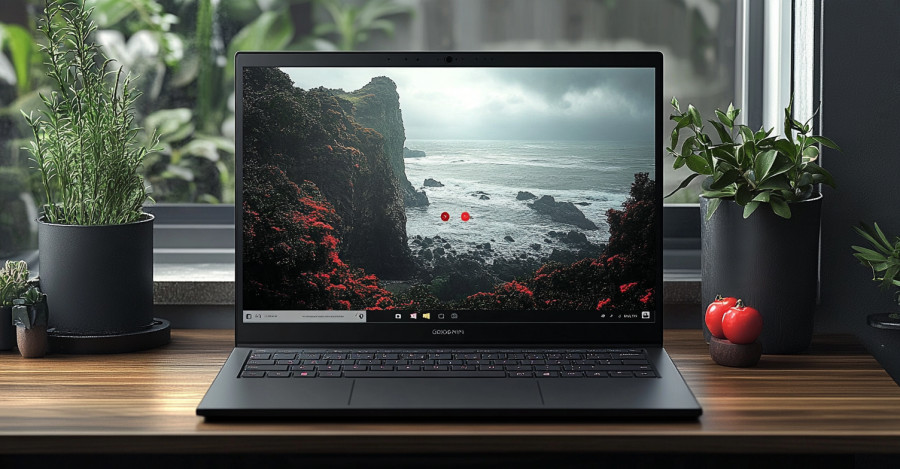
For more than a decade the Chromebook name stood for an affordable, web-centric laptop. Now Google is retiring that chapter. Replacing it is Googlebook, a premium lineup with Gemini AI baked in. Preorders are open, and first units hit shelves on October 4.
Rather than build the devices alone, Google partnered with five industry giants, including Acer, Asus, Dell, HP, and Lenovo. Starting price begins at $899, which positions Googlebook as accessible premium rather than an exclusive luxury.
Google first outlined the strategy in May, calling Googlebook a "reimagined approach" to the laptop. The concept rests on three pillars:
In short: your phone and your laptop, in one experience.
Lenovo led the product unveil on Sunday with the Googlebook 15, the largest model in the initial lineup. Specs impress: a 15.3-inch OLED touchscreen at 2.8K, 120Hz refresh, and 100% DCI-P3 color coverage. Performance comes from an Intel Core Ultra 5 325 processor capable of up to 47 TOPS on AI workloads.
Yet the machine weighs under 1.5 kg — rare for a 15-inch laptop with such a panel. Lenovo is targeting pros and creators: a tactile trackpad, four-channel audio with Dolby Atmos, and battery life rated at about 12.5 hours. Price: $1,099.99. Sales start on October 4.
The real differentiator, however, is software. AI integration is not hidden in menus — it's front and center.
Magic Pointer: shake the mouse cursor, and Gemini pops up with contextual tools. Need to merge two images or add an event to your calendar from on-screen text? AI handles it on the fly.
Rambler: activated by a dedicated dictation key, it converts speech to text, removes filler words, and correctly handles mid-sentence language switching. For bilingual users who run frequent calls in two languages, Rambler could be a killer feature.
Not all Googlebooks are Intel-based. Qualcomm confirmed that Snapdragon X Elite will power models from Dell and HP. The chip's edge is native Android-app and gaming support — combined with Gemini, this opens interesting use cases.
"Snapdragon X Elite delivers extraordinary performance and efficiency, now paired with support for native Android app and games for Googlebook users," Kedar Kondap, SVP and GM of Qualcomm's Compute & Gaming, said.
Each Googlebook buyer gets a 12-month trial of Google AI Pro (retail $249.99/yr), which includes Gemini Pro access, 5 TB cloud storage, and subscriptions to Adobe Photoshop, CapCut, and YouTube Premium. It's generous — but remember that the trial rolls into a paid subscription automatically unless canceled.
Lenovo also announced a dedicated AI mouse for Googlebook. One click summons Gemini, and Magic Pointer is integrated at the hardware level. Price and availability details for the accessory are pending.
Preorders for all five models are live on the Google Store and Best Buy. First deliveries begin on October 4. The Chromebook era may be over — the question is whether Googlebook can do more than rebrand old hardware and instead define a genuinely new laptop category.
ForexMart is authorized and regulated in various jurisdictions.
(Reg No.23071, IBC 2015) with a registered office at First Floor, SVG Teachers Co-operative Credit Union Limited Uptown Building, Corner of James and Middle Street, Kingstown, Saint Vincent and the Grenadines
Restricted Regions: the United States of America, North Korea, Sudan, Syria and some other regions.










 コンタクトする